
Beyond the Archive: Engineering a Digital Legacy
A historical society website is more than just a digital portal; it is a permanent record of a community’s identity. However, building an effective historical society website, creating a platform that is both an authoritative research tool and a high-conversion engagement engine, is a complex technical challenge.
At Slocum Studio, we don’t just build websites; we architect digital homes for your archives. Having successfully developed high-end reference sites like the Portsmouth Historical Society, we understand the unique balance between storytelling finesse and technical preservation.
In this guide, we move past the aesthetics to uncover the Slocum Standard for historical society web design—focusing on the 6 best practices that turn your local history into a vibrant, funded, and sustainable digital asset.
Looking for a Historical Society Website Template? Generic templates often fail to handle the complex metadata and security needs of an archive. Before you commit to a “one-size-fits-all” solution, see why custom-engineered WordPress is the gold standard for preservation.
1. Architecting a Legacy: Beyond the “Off-the-Shelf” Theme
The visual direction of your website is the digital gateway to your organization’s heritage. In the professional preservation space, your “theme” isn’t just a color palette; it is the structural framework that supports your mission.
The Risk of Generic Templates
While “historical society website templates” exist, they often come with significant technical debt. A generic theme isn’t designed to handle high-resolution archival imagery, complex metadata for search, or the accessibility standards (ADA compliance) required for public institutions.
At Slocum Studio, we move beyond the template. We build custom visual frameworks that are
- Mission-Aligned: We reflect the specific era and cultural significance of your collection through bespoke typography and layout.
- Device-Responsive: Your history should be just as accessible on a smartphone at a local landmark as it is on a desktop in a research library.
- ADA & Section 508 Ready: We ensure that users of all ages and abilities can explore your offerings, a critical requirement for organizations seeking state or federal grants.
Case Study: The Portsmouth Historical Society
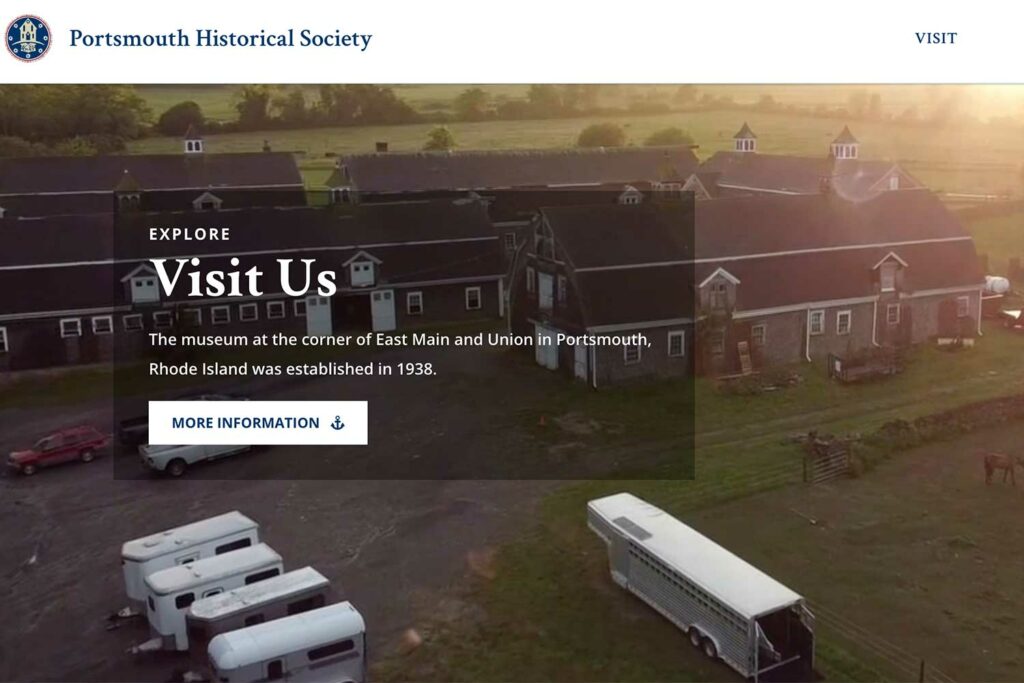
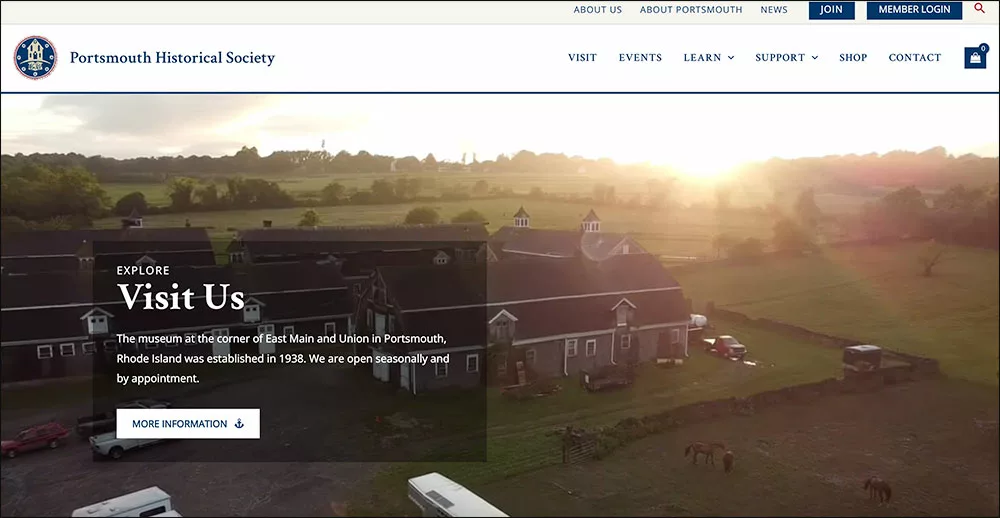
When we developed the digital home for the Portsmouth Historical Society, our goal was to create a “Living Archive.” We moved away from static pages and built a dynamic environment where the theme supports the story—not the other way around.
[Case Study] Digital Transformation: Portsmouth Historical Society
See how we turned a century of physical archives into a high-performance, mobile-responsive discovery engine that serves both researchers and the local community.
[Read the Full Case Study Here]
2. Digital Archiving: Turning Collections into Searchable Assets
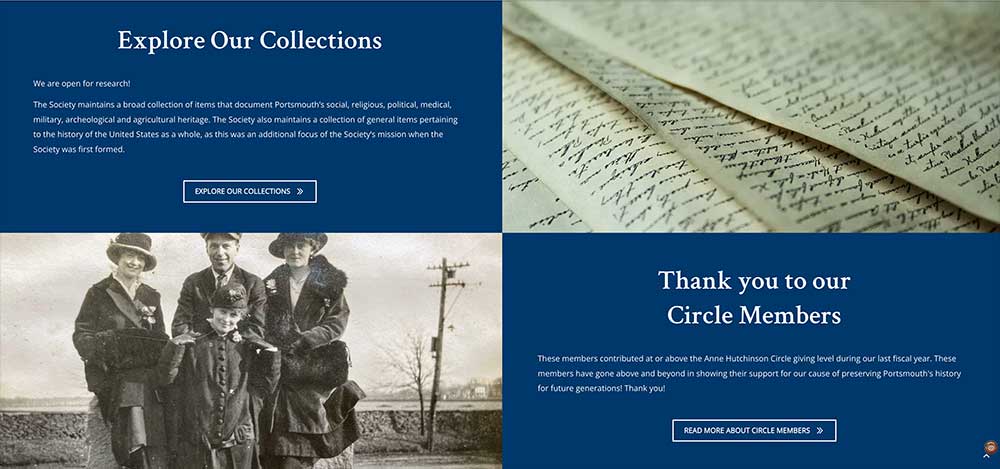
Content curation for a historical society is vastly different from a standard blog. You aren’t just “posting updates”—you are managing a digital repository. The challenge is organizing thousands of artifacts, photographs, and documents into an immersive user experience without overwhelming the visitor.
The Slocum “Discovery Engine” Approach
We don’t just “upload” your content; we architect a Searchable Discovery Engine. Our strategies ensure that your collection is easy for researchers to find and a joy for the public to explore:
- Taxonomy & Metadata Architecture: We categorize your archives using logical, SEO-friendly hierarchies. This ensures that a photo of a 19th-century landmark is found by both a local resident and the Google bot.
- Immersive Multimedia Integration: History shouldn’t be static. We integrate virtual exhibits, interactive timelines, and high-fidelity galleries that bring your artifacts to life.
- Archival SEO: Leveraging our DR 72 authority, we optimize your digital assets so your society becomes the definitive “source” for your local history in search results.
Sustainability & Growth
A digital repository must be sustainable. We build on a flexible WordPress foundation that allows your staff to easily add new collections and update narratives without needing a developer for every change. We turn your website into a “living archive” that preserves your heritage while promoting it to a global audience.
3. Archive Engineering: Intuitive Navigation & Deep Search
Historical society websites often house thousands of unique data points—from 18th-century census records to mid-century photography. If a visitor can’t find a specific ancestor or landmark in three clicks, they leave. At Slocum Studio, we move beyond simple “menus” to create Archival Navigation Systems.
Taxonomy That Works for Researchers and Locals
We don’t just “list pages.” We build a custom taxonomy architecture that allows users to filter your history by:
- Era/Timeline: (e.g., Colonial, Industrial Revolution, Modern Era)
- Topic: (e.g., Architecture, Geneology, Local Industry)
- Media Type: (e.g., Maps, Oral Histories, Original Manuscripts)

Advanced Search: The “Discovery” Engine
A standard search bar isn’t enough for a professional archive. We implement Robust Search Functionality with advanced filtering and metadata tagging. This ensures that when a researcher searches for a specific name or date, your website delivers pinpoint accuracy.
Accessibility for All Generations
Historical societies serve a wide demographic—from tech-savvy students to older residents who may not be digital natives. We prioritize intuitive UX (user experience) that works across all devices, ensuring your town’s history is accessible to everyone, regardless of their technological proficiency.
Does your current website feel like a “Digital Junk Drawer”? We specialize in turning messy archives into organized discovery engines. Let us help you architect a site that researchers love and Google rewards. Request a Historical Archive Audit—Or Call (857) 400-8959
4. Multimedia Storytelling: Bringing Archives into the 21st Century
Text-heavy archives often struggle to engage younger audiences and casual visitors. To make history “come alive,” you need a multi-sensory experience. However, the biggest risk for historical sites is Technical Bloat—where large photo galleries and videos slow the site down and hurt your SEO.
High-Fidelity, Low-Latency Engagement
At Slocum Studio, we specialize in integrating multimedia without sacrificing performance. We move beyond simple photo uploads to create an immersive digital narrative:
- Interactive Timelines & Virtual Tours: We build tools that allow visitors to “walk through” your town’s history, using high-resolution imagery optimized for instant loading.
- Audio & Oral History Integration: We treat your oral history recordings as valuable digital assets, ensuring they are accessible, searchable, and playable across all devices.
- Optimized Visual Storytelling: We handle the complex compression and hosting requirements for historical video and high-res scans, ensuring your site maintains its DR 72 authority and lightning-fast speed.
The Emotional Connection
By strategically placing multimedia elements, we help you move from “showing data” to “telling a story.” We ensure every photo and audio clip complements your mission, fostering a deeper emotional connection that leads directly to increased membership and donor support.
Is your history stuck in a template? Slocum Studio builds custom, high-authority websites that bring your society’s mission into the 21st century. High-DR SEO. Fast-loading archives. Proven results. Request a Historical Archive Audit—Or Call (857) 400-8959
5. Funding the Future: Membership & Donation Architecture
A historical society website shouldn’t just be an expense—it should be your primary revenue driver. To move beyond “treading water,” your platform needs integrated tools that turn passive readers into active, paying members and donors.
Frictionless Membership Integration
At Slocum Studio, we move beyond simple “Contact Us” forms. We architect comprehensive membership portals that allow your society to:
- Automate Renewals: Reduce administrative overhead with automated billing and member notifications.
- Tiered Access: Create “Member-Only” digital archives, granting exclusive access to high-res documents or private webinars based on membership level.
- Seamless Donation Flows: We engineer high-conversion donation paths that make it easy for supporters to contribute to specific preservation funds or capital campaigns.
Case Study: Strategic Engagement in Action
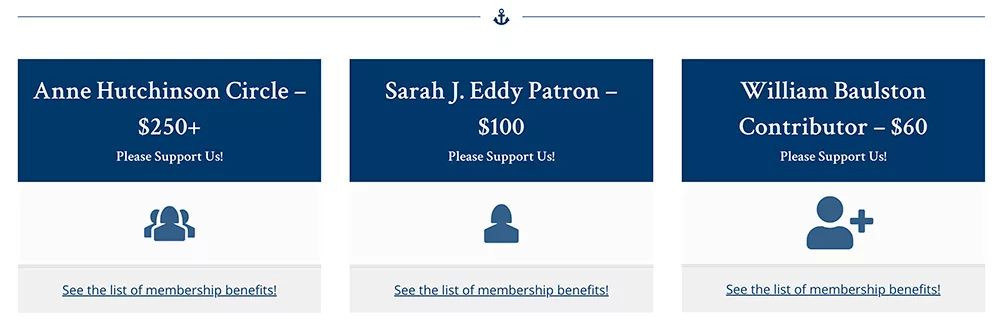
Our work with the Portsmouth Historical Society serves as a prime example of how to balance community outreach with technical functionality. By creating a user-friendly registration process and clear value propositions for members, we helped provide them with a digital foundation that supports their mission of preserving Rhode Island’s rich heritage.
Building a Sustainable Digital Community
Engagement isn’t just about “forums”—it’s about intentional interaction. We implement tools like virtual event registrations, interactive Q&A modules, and secure discussion boards that foster a sense of belonging. This doesn’t just “celebrate the past”; it builds a passionate, informed community that is emotionally and financially invested in your society’s future.
6. Archival Authority: SEO That Ranks Your History #1
For a historical society, SEO is about more than just “clicks”—it is about Digital Stewardship. If your society holds the original records of a 1750s landmark, but a generic travel blog outranks you for that topic, your digital presence is failing.
The Slocum SEO Edge: DR 72 Authority
At Slocum Studio, we don’t just “do” SEO; we leverage our Domain Rating (DR) of 72 to give your historical assets an immediate advantage. We specialize in “Archival SEO,” ensuring your society becomes the definitive source for local history:
- Strategic Keyword Mapping: We identify the specific historical terms, genealogical queries, and local landmarks your audience is searching for and map them to your collections.
- Technical Metadata Optimization: We optimize your images, manuscripts, and multimedia with descriptive alt-text and schema markup. This makes your “hidden gems” visible to search engines and accessible to the visually impaired.
- Speed & Performance: Google prioritizes sites that load instantly. We ensure your high-res scans and large galleries are technically optimized to maintain peak search rankings without compromising quality.
Making History Accessible to the World
SEO is the bridge between your archives and the global community. By implementing these high-level techniques, we transform your website from a local secret into a global resource, attracting organic traffic and new donors who are searching for the exact historical knowledge you provide.
Ready to Secure Your Digital Legacy?
Don’t allow an outdated, underperforming website to obscure your society’s history. Whether you are looking to increase memberships, secure a preservation grant, or finally digitize your archives, we have the niche expertise to make it happen. Request a Historical Archive Audit—Or Call (857) 400-8959
Conclusion: A Website Worthy of Your History
Building an effective historical society website is a journey that requires a deep respect for the past and a sophisticated understanding of the modern digital landscape. From intuitive navigation and searchable archives to high-authority SEO and donor-centric design, every element must work in harmony to preserve and promote your community’s heritage.
At Slocum Studio, our commitment extends beyond mere web development; we become partners in your preservation mission. Let’s build a digital home for your archives that will serve your community for decades to come.
By curating content thoughtfully, designing user-friendly navigation, employing multimedia storytelling, fostering community engagement, optimizing for search engines, and embracing the power of analytics, we’re not merely building websites. We create connections between different eras, open up history, and encourage everyone to delve into the stories of the past.
Remember, the success of your historical society website isn’t measured solely in clicks or page views. It’s in the stories shared, the connections forged, and the collective journey through time. It’s about kindling the curiosity of the curious and inspiring the passion of the history enthusiasts.
So, as you embark on your quest to create an extraordinary historical society website, keep the spirit of history alive and thriving. Your digital time capsule is ready to transport visitors on an unforgettable journey, preserving and celebrating the past while shaping the future.
This is very helpful. Our historical society had a web presence on Facebook. However, the person who administered that page died, and no one knows how to access it now. I am new to the society, although not new to our genealogical society, as I edited our 800 page history book. I am the vice president of the historical society now and am surprised that Facebook was the platform that was previously used.
As with many of these societies, the membership is elderly, and I am stunned at the archaic way things are done here and rather overwhelmed with my office’s tasks, which include getting volunteers (no one wants to volunteer) for the museum 4 days a week over the summer.
So I am exploring other platforms for the society’s page. Thanks for putting this out there. It is much appreciated.
Thank you, Jeaneene, for your insightful comments and observations. You are correct; Facebook does not make it easy to gain access to pages if the admin is not accessible. We have encountered this issue with several clients. Your point about volunteerism is also very pertinent. While people are concerned about causes, they seem to be less inclined to assist organizations in a physical capacity.